
With compassion and respect.

With compassion and respect.
With compassion
and respect.
We’re turning 160 this year! From our humble beginnings in 1864, to serving 26,000 individuals annually today, our mission remains the same.

When your life becomes challenging, our adult mental health counseling programs led by caring therapists are here to help you cope.

Sobriety is within reach with our wide array of substance abuse services customized to your individual needs.

Anxiety and depression can affect our youngest patients. Child mental health services are crucial so kids can reach emotional and developmental milestones.

Our job training programs and job skills training guide young adults toward rewarding and successful careers.
Shawn’s Story

Shawn
Getting Ahead While Getting Out Program, Cleveland
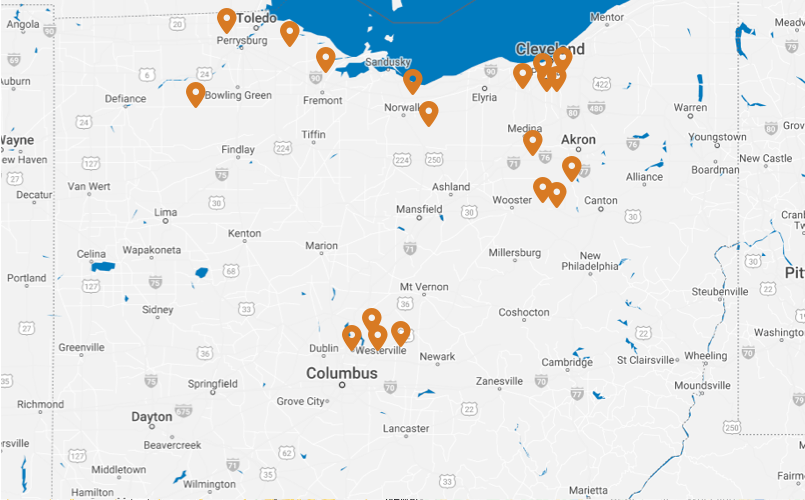
Find an OhioGuidestone Location
Located throughout Ohio, OhioGuidestone is nearby to help.
Telehealth services are available throughout the state.
-
Cuyahoga – Outpatient Counseling Center
15644 Madison Avenue, #104, Lakewood, OH 44107
-
Cuyahoga – Laura’s Home
18120 Puritas Ave, Cleveland, OH 44135
-
Cuyahoga – Residential Treatment Campus
202 East Bagley Road, Berea, OH, 44017
-
Cuyahoga – Workforce 360°
2121 E. 32nd St, Cleveland, OH 44115
-
Cuyahoga – Outpatient Counseling Center
26250 Euclid Avenue # 415, Euclid, OH 44132
-
Cuyahoga – Workforce 360°
3235 Prospect Avenue East, Cleveland, OH 44115
-
Cuyahoga – Psychiatry – Building B
3420 Carnegie Ave., Cleveland, OH 44115
-
Cuyahoga – Administrative Offices
343 W Bagley Rd, Berea, OH 44017
-
Cuyahoga – Outpatient Counseling – Building A
3500 Carnegie Avenue Cleveland, OH 44115
-
Cuyahoga – Richard R. Frank Outpatient Counseling Center
434 Eastland Rd., Berea, OH 44017
-
Erie
1522 East Perkins Avenue, Sandusky, OH 44870
-
Geauga – Workforce 360°
12373 Kinsman Rd, Newbury, OH 44065
-
Geauga – Workforce 360° – Ohio Department of Job and Family Services
12611 Ravenwood Drive, Chardon, OH 44024
-
Lake – Workforce 360°
90 North State Street, Painesville, OH 44077
-
Lorain – Outpatient Counseling Center
2173 North Ridge Road, Suites E & G, Lorain, OH 44055
-
Medina – Discovery Recovery
189 Northland Dr., Medina, OH 44256
-
Medina – Outpatient Counseling Center
246 Northland Drive, Medina OH 44256
-
Stark – Outpatient Counseling Center
4579 Everhard Rd. NW, Suite A, Canton, OH 44718
-
Summit – Outpatient Counseling Center
3094 West Market Street #105, Fairlawn, OH 44333
-
Tuscarawas – Recovery Point
1030 E High Ave, New Philadelphia, OH 44663-3022
-
Tuscarawas – Outpatient Counseling Center
1433 5th Street Northwest, New Philadelphia, OH 44663-1223
330.343.8171,
Crisis Line 330.364.1374 -
Tuscarawas – River Haven Women’s Residential Treatment
211 East Front St., Dover, OH 44622

Clinical Innovation
Innovation and research differentiate OhioGuidestone in the mental health space. Our researchers study and develop improved models of care to enhance our mission to better care for individuals at all stages of life.